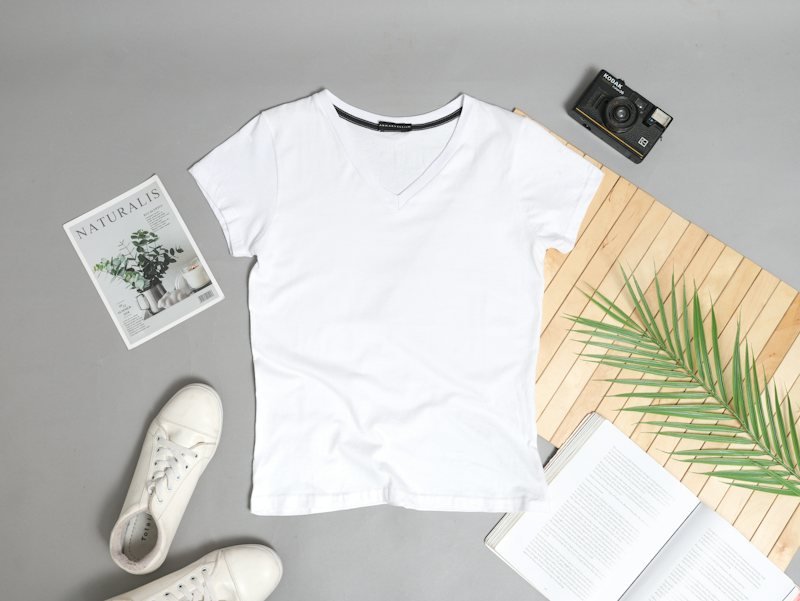
On factory listings, the photos are often plain and the descriptions short, but one part of the page tells you more than anything else: the fabric details. Learning to read them is the key to buying good basics through OOTDBuy 1688 rows. This guide explains fabric weight, composition and construction, then covers the pricing rules that come with buying from factories. For the quality checks that apply to every order, see the guide on the OOTDBuy Spreadsheet homepage.
Why Fabric Matters Most on 1688
1688 is a wholesale marketplace where factories and trading companies sell to businesses. Many products are basics: tees, sweatshirts, knits, socks and simple accessories. With basics, there is little design to judge; the fabric and construction are the product. Two blank tees that look identical in photos can feel completely different in your hands, and the listing’s fabric section is where that difference shows.
Fabric Weight
Weight is often given in grams per square meter. It tells you how thick and dense the fabric is.
| Weight band | How it feels | Best for |
|---|---|---|
| Light | Soft and airy, can be slightly sheer in white | Summer tees, layering |
| Mid | Everyday structure | All-year basics |
| Heavy | Thick, holds shape, premium feel | Boxy tees, structured sweatshirts |
Heavier fabrics last longer and drape better, but add weight to your parcel. A good balance is one or two heavy pieces with lighter ones.
Composition
- Cotton: soft and breathable; may shrink slightly on the first wash.
- Cotton blends: resist shrinking and hold color well.
- Combed or ring-spun cotton: smoother surface, less pilling.
- Wool blends (knits): warmer and more resilient.
- Acrylic blends (knits): lighter, easier to wash, can pill sooner.
Construction Clues
- Collar: a thick, tight ribbed collar keeps its shape after washing.
- Ribbing: firm cuffs and hems keep sweatshirts and knits crisp.
- Seams: straight, even stitching along shoulders and sides.
- Hem: double stitching suggests sturdier construction.
- Knit density: on sweaters, a dense, even knit stretches less over time.
These details usually appear in close-up images further down the listing, along with the size chart.
Reading Price Tiers
Many 1688 listings show several prices for different quantity ranges. The most prominent price is often the lowest tier, which may require a larger order. Find the price for the quantity you actually want; one or two pieces usually cost a little more each, but still well below retail. Check whether mixed colors count toward a tier, and look for any minimum order.
Ready to browse? Open the full OOTDBuy Spreadsheet with every category in one place.
OOTDBuy Spreadsheet Buy It NowA Worked Example
Suppose you want a plain white tee and a cream knit. For the tee, Factory A states a heavy cotton weight, shows the collar and hem up close and offers a fair price for one piece. Factory B lists only “cotton” with one flat photo. You choose Factory A. For the knit, a factory listing states a wool blend, shows a close-up of the dense knit and the ribbed cuffs, and includes a size chart in the detail images. You compare the chest width and length with a sweater you own, add a note asking for a size tag photo and order.
Comparing Two Factories
When two factories offer near-identical basics, compare them in this order: fabric weight and composition, size range, close-ups of collar and seams, how focused the catalogue is, and only then the price for your quantity. A slightly higher price for a noticeably heavier fabric is usually the better buy, especially once shipping is added. A factory that sells mainly tees or knitwear also tends to produce more consistent results than one selling everything from phone cases to coats.
Best Categories for 1688
- Plain tees from T-Shirts
- Simple knits and sweatshirts from Hoodies/Sweaters
- Caps and simple hats from Headwear
- Basic bags and belts from Accessories
- Home items from Other Stuff
QC for Factory Basics
Check the size tag, overall shape, collar or ribbing, seams and color. Ask for a close-up of the fabric if the weight seems different from the listing, and a daylight photo if color is uncertain. Request an exchange while the item is still in the warehouse if anything is clearly wrong.
Cost per Wear
The cheapest blank is not always the best value. A heavier tee that survives many washes costs less per wear than a thin one that stretches quickly. For basics you wear every week, a small step up in fabric weight is usually money well spent.
Caring for Factory Basics
Wash cotton inside out in cold water and avoid high-heat drying to limit shrinkage. Fold knits rather than hanging them. Heavier fabrics reward this care with a much longer life.
Mistakes to Avoid
Choosing on price instead of fabric. On basics, fabric is what you pay for. Trusting the headline price. Find your tier. Ignoring the detail images. The size chart and close-ups are usually there. Buying design pieces from plain listings. Use Weidian or Taobao for those.
Next Steps
For designed pieces to wear with your basics, read the Weidian stores guide. For QC checks across every category, see the QC by category guide. Every category is on the OOTDBuy Spreadsheet homepage.
Back to: OOTDBuy Spreadsheet homepage – all categories and the full buying guide